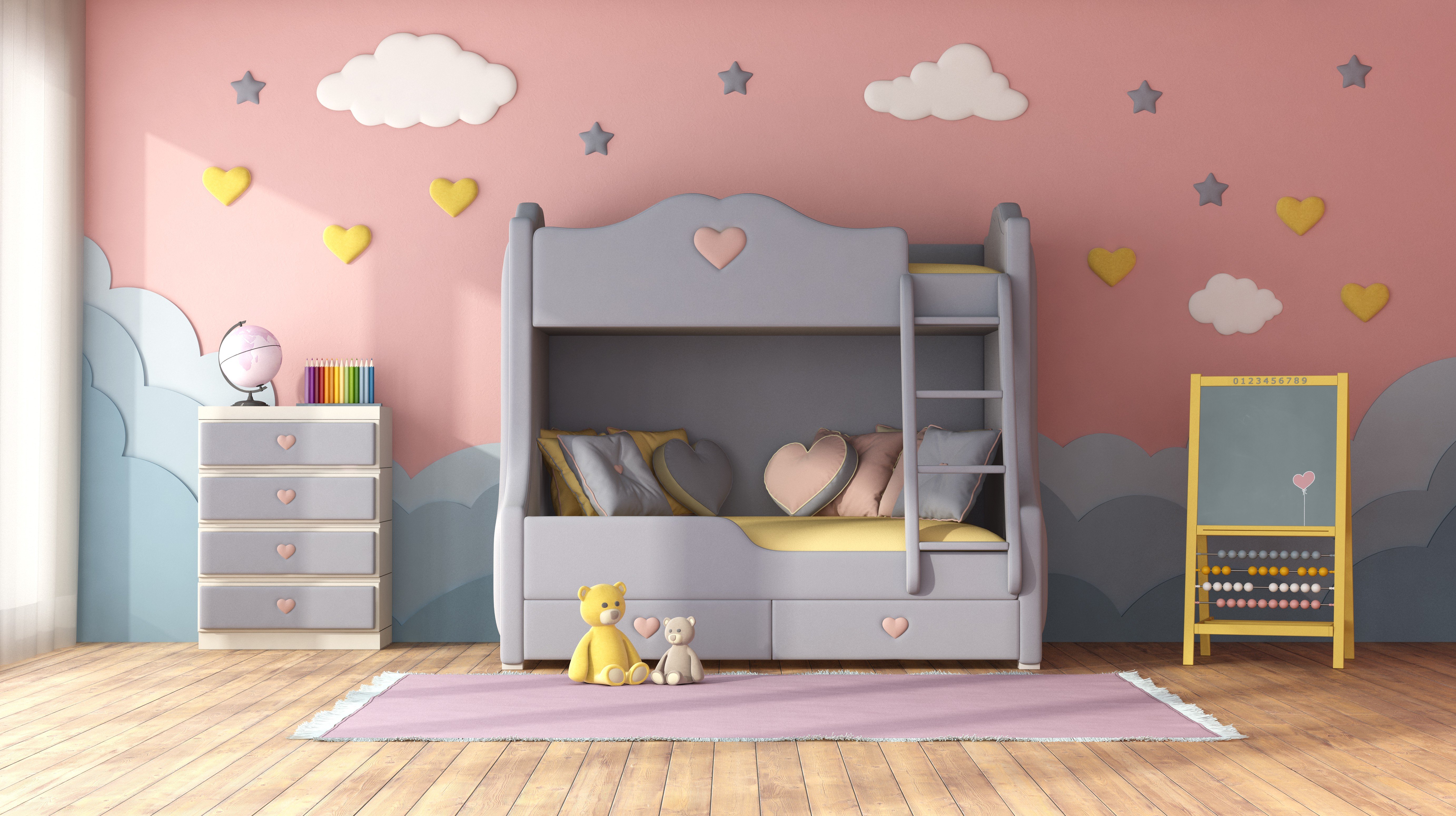
The Great Bunk Beds: A Comprehensive Guide
Bunk beds have been a staple in children's spaces, dormitories, and small areas for generations. They provide a useful option for optimizing vertical space, creating an enjoyable and engaging environment, and making sure that everyone has a comfy location to rest. However, not all bunk beds are created equivalent. This article explores the world of excellent bunk beds, exploring their history, benefits, types, and how to pick the ideal one for your requirements. It also includes some often asked concerns to assist you make a notified choice.
The History of Bunk Beds
The idea of stacking sleeping platforms is ancient, dating back to the early civilizations of Greece and Rome. However, the modern-day bunk bed as we know it today emerged in the 19th century. The Industrial Revolution brought about mass production, making it much easier and more budget friendly to make these innovative sleeping services. Initially, they were popular in military barracks and schools, but by the mid-20th century, bunk beds had actually found their way into homes, particularly in children's spaces.
Advantages of Great Bunk Beds
- Area Efficiency: Bunk beds are the ultimate space savers. They enable 2 individuals to sleep in the very same location that would generally accommodate a single bed, making them ideal for small spaces, dorms, and guest bed rooms.
- Cost-efficient: Purchasing a single bunk bed is frequently more economical than buying two separate beds. This is specifically useful for families with limited spending plans.
- Enjoyable and Engaging: For children, bunk beds are more than simply a location to sleep; they are a backyard and a source of enjoyment. Reaching the leading bunk can feel like a small experience.
- Adaptability: Bunk beds come in a range of designs and setups, making them ideal for various age groups and room looks.
- Security Features: Modern bunk beds are equipped with security features such as guardrails, durable ladders, and enhanced frames to guarantee a protected sleeping environment.
Kinds Of Bunk Beds
- Standard Bunk Beds: These are the most common type, including 2 identical beds stacked one above the other. They are simple and flexible, suitable for a large range of settings.
- Loft Beds: Loft beds raise a single bed to produce an open area beneath. This area can be utilized for a desk, storage, or a backyard, making it a popular choice for little spaces.
- Trundle Beds: Trundle beds have an extra bed that moves out from under the main bed, providing extra sleeping space without using up extra flooring location.
- Triple Bunk Beds: For larger families or dormitories, triple bunk beds use 3 sleeping spaces, frequently with a ladder on one side and guardrails on both leading bunks.
- Custom Bunk Beds: Custom bunk beds permit personalized styles and setups, such as including bookshelves, drawers, and other storage services. They can be tailored to fit the specific requirements and visual appeals of the room.
How to Choose the Perfect Bunk Bed
Choosing the right bunk bed includes thinking about several factors to guarantee it fulfills your needs and fits your space. Here are some bottom lines to keep in mind:
- Room Size and Layout: Measure your room to identify the size of the bunk bed that will fit comfortably. Think about the height of the ceiling and the placement of windows and doors.
- Age and Size of Users: Bunk beds designed for children might not be ideal for grownups. Make sure the bed is the ideal size and height for the designated users.
- Product and Construction: Choose a material that is durable and appropriate for your environment. Common products consist of wood, metal, and composite. Try to find a sound frame with reinforced joints and a durable ladder.
- Safety Features: Safety is critical. Try to find bunk beds with guardrails on both top and bottom bunks, a stable ladder, and a frame that can support the weight of the users.
- Visual and Style: Bunk beds are available in different designs, from modern and minimalist to rustic and conventional. Choose a design that complements your space's design and fits your personal taste.
- Extra Features: Consider beds with integrated storage, reading lights, or other functional elements that can boost the user experience.
Tips for Setting Up and Using Bunk Beds
- Assembly: Follow the maker's instructions thoroughly when assembling the bunk bed. Ensure all parts are securely tightened up and the frame is stable.
- Bed mattress: Use suitable bed mattress that fit the bed measurements. Ensure the leading bunk bed mattress is not too thick to prevent users from rolling off the edge.
- Guardrails: Install guardrails on both sides of the leading bunk to prevent falls. Adjust the height of the guardrails to fit the user's age and size.
- Ladder Placement: Place the ladder on the side of the bed that is farthest from the wall or any obstructions. Guarantee it is safely attached and stable.
- Storage Solutions: Utilize the area under and around the bunk bed for storage. Including drawers, racks, or bins can assist keep the room arranged and clutter-free.
- Design and Personalization: Encourage users to embellish their bunks with personal products, such as bedspreads, pillows, and posters, to make it a comfy and inviting space.
Often Asked Questions (FAQs)
Q1: Are bunk beds safe for children?A1: Yes, bunk beds can be safe for children when used with proper security functions. Ensure the bed has tough guardrails, a steady ladder, and a frame that can support the weight of the users. It's also important to supervise children and follow the producer's age recommendations.
Q2: What is the standard size for bunk beds?A2: The basic size for bunk beds is normally twin, which measures 38 inches by 75 inches. Nevertheless, complete and queen-sized bunk beds are also offered for older users or grownups.
Q3: Can bunk beds be tailored?A3: Yes, many bunk bed producers provide customization alternatives. You can pick from various materials, colors, and designs, and even include functions like storage drawers, bookshelves, and reading lights.
Q4: How do I put together a bunk bed?A4: Assembling a bunk bed typically needs following comprehensive directions supplied by the maker. It's best to have 2 people to aid with the procedure. Make sure all bolts and screws are tightened up securely and the frame is stable before usage.
Q5: What are the best products for bunk beds?A5: Wood is a popular option for its durability and natural visual. Metal bunk beds are also durable and can be more cost effective. Composite products are another option, providing a blend of strength and flexibility.
Q6: How can I maximize the area under a bunk bed?A6: The area under a bunk bed can be used for various purposes. Think about adding best rated bunk beds lottiewilcox.uk , storage bins, or a play area. You can also utilize under-bed drawers or racks to keep the room organized.
Bunk beds are more than simply a useful solution for saving space; they are a flexible and interesting addition to any room. From standard designs to custom styles, there is a bunk bed to match every need and style. By considering aspects such as room size, user age, product, and safety features, you can select the perfect bunk bed to create a comfortable and fun sleeping environment. Whether you're a moms and dad aiming to optimize a children's room or a student in a dormitory, a terrific bunk bed can boost your living space and provide a sense of experience and comfort.
Whether you select a classic twin bunk bed or a more innovative loft bed, the secret is to discover a design that satisfies your requirements and makes sure safety and comfort. With a little research and planning, you can transform your room into an area that is both practical and delightful.